

Miscellaneous, Style and Design
The Timeless Pleasure of the Courtyard Garden

27
Apr
In the heart of bustling cities, tucked behind ancient palaces, or nestled within quaint homes, courtyard gardens stand as oases of tranquillity and beauty. These enchanting spaces, often hidden from the chaotic world beyond their walls, have captivated hearts for centuries. With their harmonious blend of nature and architecture, courtyard gardens offer a respite from urban life while celebrating the aesthetics of design and the wonders of the natural world.
Courtyard gardens are meticulously planned landscapes that fuse human creativity with the rhythms of the natural environment. These living works of art feature an interplay of architectural elements like pathways, arches, fountains, and seating areas, seamlessly combined with an array of plant life. The result is an exquisite symphony of form, texture, colour, and fragrance that engages the senses and soothes the soul.
The historical roots of courtyard gardens can be traced back to ancient civilizations across the globe. From the serene courtyards of Persian palaces to the intimate cloisters of European monasteries, these enclosed spaces have been cherished for their ability to provide both beauty and utility. They served as private retreats, meditation spaces, and even functional areas for growing herbs and vegetables.

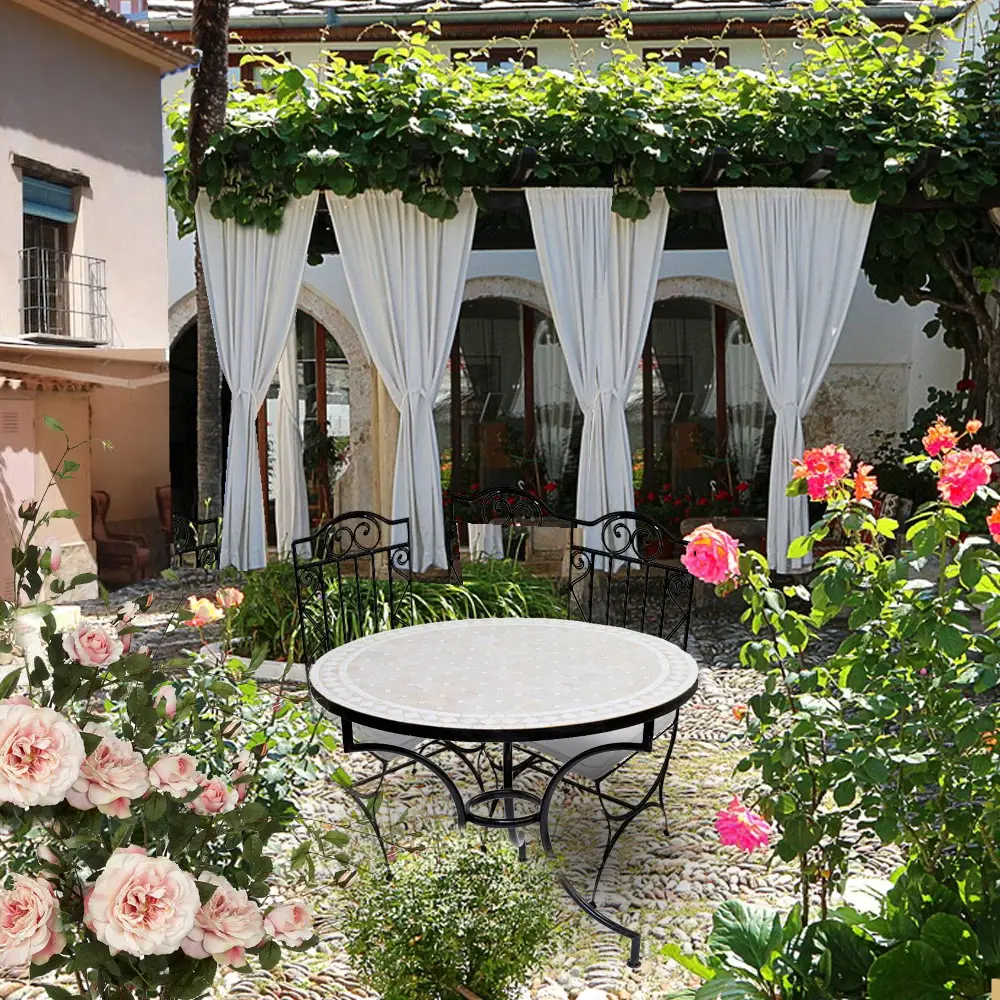
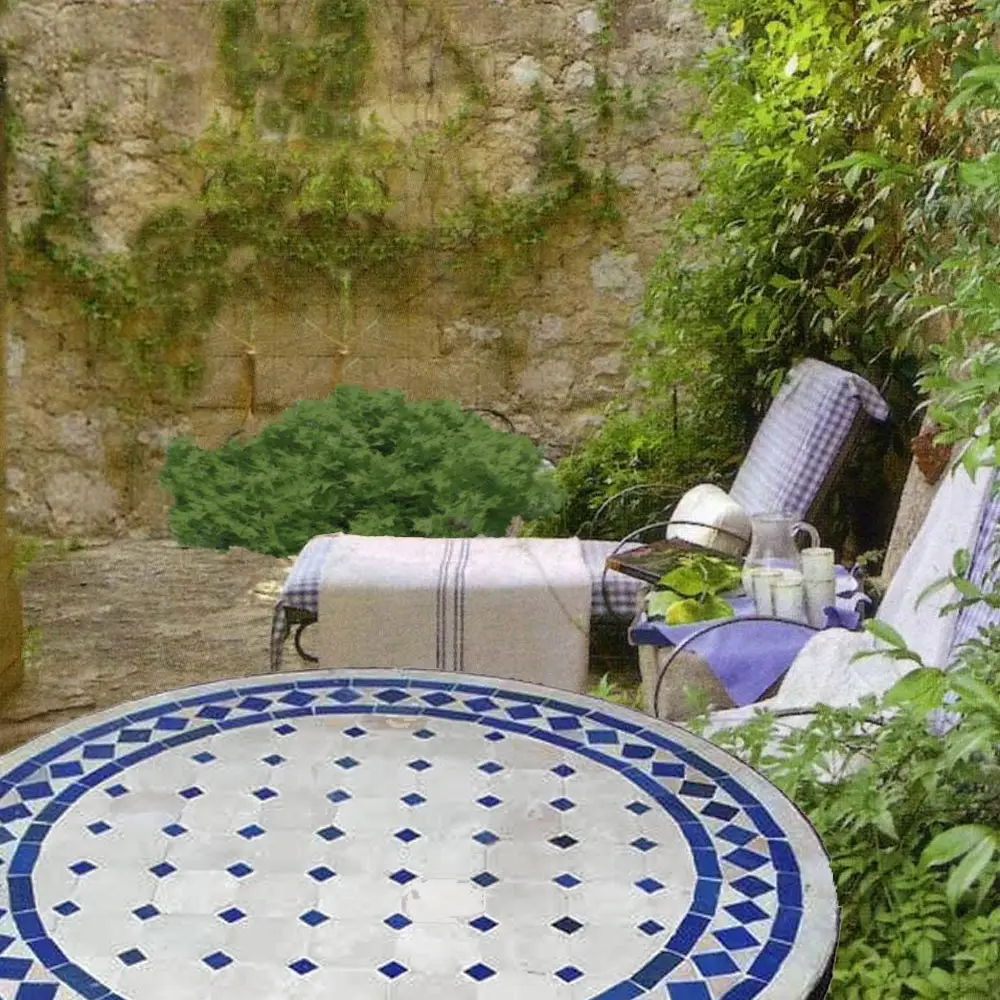

One of the most compelling aspects of courtyard gardens is their ability to provide a respite from the fast-paced world outside. These enclosed spaces create a sense of privacy and seclusion, allowing visitors to escape the noise and chaos of urban life. Within their walls, time seems to slow down, and the gentle rustle of leaves, the trickle of water, and the fragrance of blooming flowers create a sensory experience that promotes relaxation and contemplation.
Courtyard gardens come in a myriad of styles, each reflecting the cultural and historical influences of their surroundings. The classical Mediterranean courtyard often features stone paving, citrus trees, and soothing water features, while Japanese courtyard gardens emphasize simplicity, balance, and the integration of natural and man-made elements. Modern interpretations might incorporate minimalist designs with sculptural plant arrangements and sleek lines.
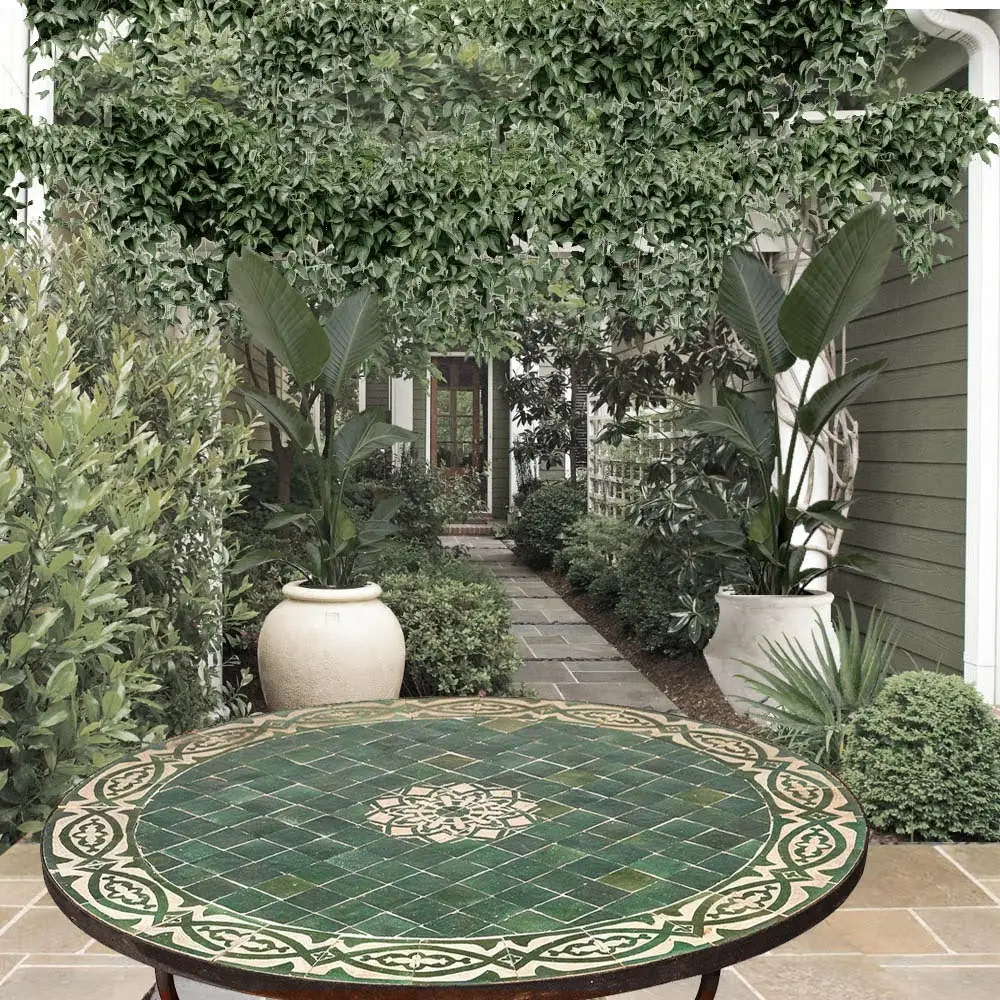


In densely populated urban areas, where green spaces are often limited, courtyard gardens offer a creative solution to bring nature back into daily life. These intimate spaces can be tucked between buildings, transforming forgotten corners into lush sanctuaries that offer residents and visitors a connection to nature without having to leave the city.
Courtyard gardens foster a sense of connection – both with the environment and with one another. They serve as gathering places for friends and families, encouraging quality time spent in each other’s company. Additionally, nurturing and tending to the plants in these gardens can cultivate a deeper appreciation for the natural world and a sense of responsibility for its preservation.
As cities continue to evolve and grow, the significance of courtyard gardens remains as relevant as ever. While modern architecture and technology propel us forward, the timeless appeal of these sanctuaries reminds us of the importance of harmonizing our built environments with the natural world. By incorporating courtyard gardens into new developments and revitalizing existing spaces, we can continue to honour tradition while embracing the benefits of modern living.
Courtyard gardens are more than just pockets of greenery; they are expressions of art, reflections of culture, and havens of peace. These sanctuaries invite us to slow down, reconnect with nature, and appreciate the delicate balance between human design and the inherent beauty of the earth. In an increasingly frenetic world, the enduring allure of courtyard gardens reminds us of the importance of finding serenity amidst the chaos.
